
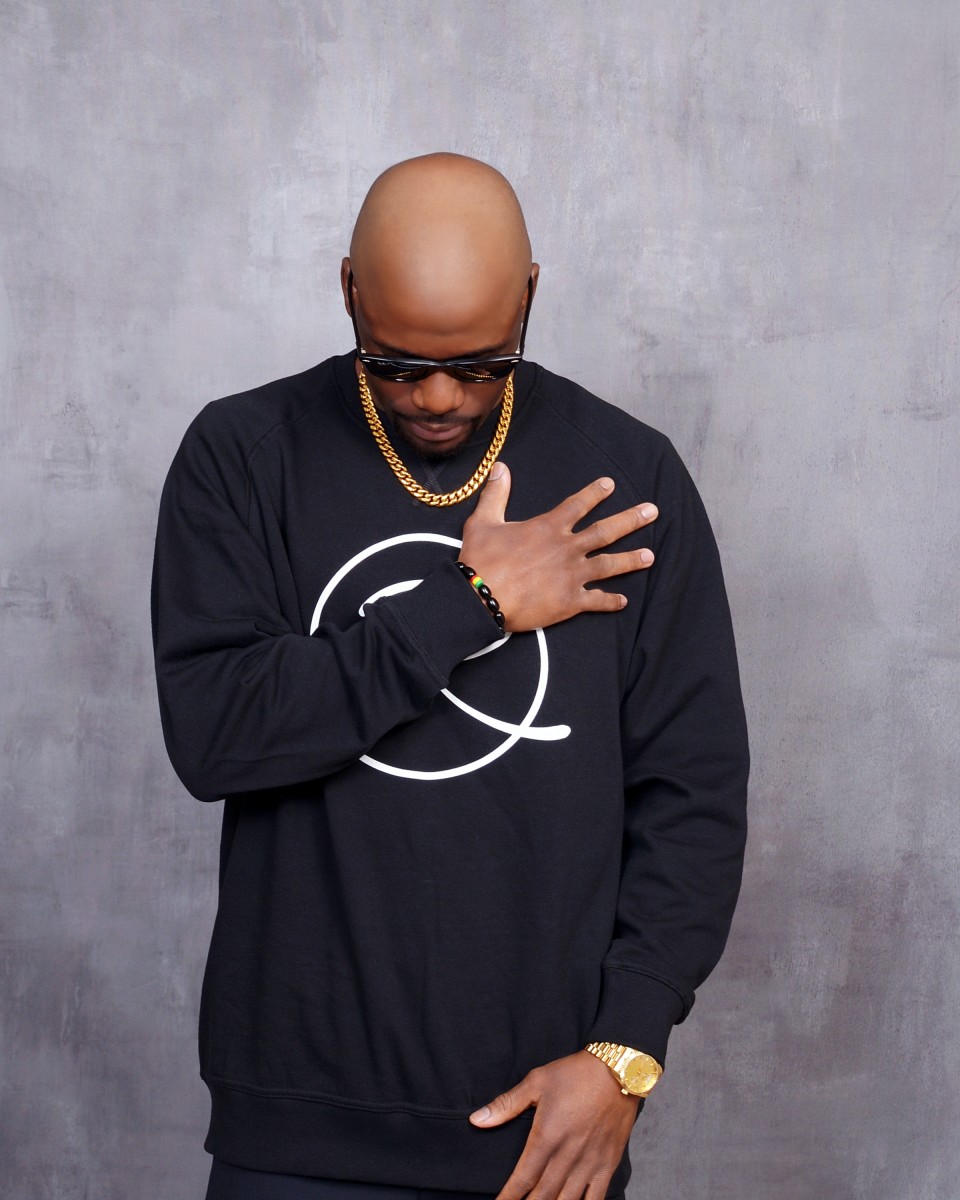
Marie Romance has built a reputation for heartfelt storytelling, blending spirituality, honesty, and real-life experiences across projects like Kaka, Pain and Passion, Heaven’s Up, and Only Want You. His music speaks to struggle and resilience while celebrating love, faith, and personal growth. In this interview, he reflects on how his journey began, the moment that reshaped his life, and what he hopes to give the world through his art.
You blend faith, real-life struggles, and celebration in your music. When you look back at the early days, what moment made you think you were meant to pursue music seriously?
Looking back, I have realized that I’ve always been drawn to music. The love for it was just there. I’ve always felt a deep connection with it, and I’ve always been surrounded by it. My grandfather on my dad’s side of the family was a well-known pianist at his local church. My dad grew up wanting to be a recording artist and build a castle with three hundred and something windows. Two of my uncles are still active on the music scene in Benin. So yeah, music has always been around, and it pushed me to embark on this journey.
Your track Heaven’s Up carries a strong spiritual message and talks openly about battling darkness and holding onto faith. What personal experience inspired that direction?
There were a lot of difficulties, both spiritual and physical, surrounding my birth. I was born unconscious when I came into this world, almost dead. The doctor had to revive me. Not too long after, I was baptized, just like all the children in Catholic families. But growing up, I was never really into church. All my relatives went on and received their first communion after completing the catechism. Me, I would attend the class maybe four or five times at the beginning, then stop going. My mom always gave me a hard time about it. I had a strong character, and still do, I believe. No one can force me to do anything.
Then about the age of 14 going on to 15, I went through a dark period where I started questioning life, our existence, and God’s creation. I was depressed. This went on for a long time, on and off, just battling dark thoughts, and through it all, GOD was there for me. He let me know, through the sacrament of baptism which informed our souls and spirits of His presence, that He was there for me, that He was protecting me, and that nothing would happen to me. Even though I was having those dark and scary thoughts, I always felt safe in the end because His Spirit would intervene and appease me.
But I was still sinning, not taking my spiritual life seriously, not going to church, until I had enough of this off-and-on battle and the spiritual torment my sins were causing me. Then I started to slowly surrender it all to GOD. I heard that there was a priest coming to a nearby church to do some deliverance prayers. So I prayed to GOD and told Him that I was ready to leave my life of sins behind for good, to give me one last chance without which I would have no more hope, and it might not end well for me.
So I went and attended the mass in which the priest and all of us in attendance recited the deliverance prayers, came back home, prayed some more, went to bed, and when I woke up the next morning—it was a Sunday—all of my anxieties, fears, and troubles that I had previously felt for years were gone. I felt peace, serenity, and calmness. Even the laptop that I was using at the time for music, which gave me a hard time, suddenly started working properly.
This is the particular experience, the main experience, the mother experience, the driving force behind my faith, which inspired or inspires tracks like Heaven’s Up. The experience of being born again. So GOD has not only given me one chance at birth, He gave me another one later on in life, and still does, and that’s why I rep Him hard.
Only Want You focuses on loyalty and redefining how men show love. What made you want to champion faithfulness so clearly in that song?
Because at the time, I felt like the conduct of some of us fellas was the reason the ladies were alienated from romantic relationships, being that we are supposed to be the leaders in them and we haven’t done a great job in the matters of the heart. When a woman loves you, she loves you for real. It’s the same way: when she decides to start messing around behind your back, it’s over for you. And I think, for some of us fellas, the hook-up culture and its constant promotion on TV, in music, and magazines did not help at all.
It led to sexual gratification, porn, and things of that nature that drive one away from healthy, committed relationships. And sex for women goes a lot deeper on an emotional level than for men, and carries the same spiritual implications. So when the ladies decided to start doing as some of the fellas were doing—as far as acting like they didn’t care and being players—things went down the rabbit hole very quickly.
So I wanted to do a song that commemorated real relationships, that cherished them, and at the same time set a new trend to try to go back to those days when love was the thing. To show the ladies that we still care and that we have never stopped loving them.
Kaka has a strong cultural vibe and touches on your roots, community, and resilience. How has growing up on the west side of Africa shaped your identity as an artist?
Growing up in the west side of Africa is beautiful despite the struggles that we go through due to the leadership of most of our presidents, which tends to lean towards dictatorship. Although we are labeled by most in the world as poor—a myth I’m not even going to try to debunk—when outsiders go there to visit, that isn’t what they get from the people. The people are always joyous, welcoming, and warm.
It is a humble, loving upbringing where you are also everyone else’s kid outside of your house. You do something disrespectful or that lacks good manners, you get reprimanded by elders in your community. Parenting is more or less strict. I was exposed to civil wars, the consequences of dark spiritual practices, and all types of music from different parts of the world. So all of those experiences kind of shaped who I am as an artist.
Your lyrics often push back against negativity, temptation, and societal pressure. What role does music play for you when you’re navigating those pressures in real life?
It soothes me. It is my sweet escape. I don’t want to say my savior because there’s but one Savior for all of us, and that’s Jesus Christ. But even in that love for music, He’s responsible—He, the all-knowing and giver of all talents—because when I was going through those dark moments in my life and I wasn’t as close to Him as I am today, His gift of music kept my mind off some of the pain, listening to my favorite songs. So it’s therapeutic. It’s a means to get out some of my own frustrations sometimes.
Pain & Passion introduces deeper emotion and vulnerability. When you created that album, what story were you trying to tell about where you were in your life?
That the album was the result of pain and passion. This passion I have for music, but not wanting to compromise in order to reach stardom—all that entails, the struggles, therefore pain that rises from them—but the peace one feels at the end of the day, being able to look at themselves in the mirror and connect to their Maker.
As to the tracks themselves, some were born out of painful experiences, others out of joyful, passionate ones.
You talk about wanting more conscious music on the radio. What do you think the industry is missing right now, and where do you want to see it go?
The industry is missing the days music used to say something, used to uplift. And also, part of the reason the world is in such a state of distress is because the music is not really hitting anymore; it is not doing anything to the soul, at least not the majority of them on the radio or that are being heavily promoted, so it’s done deliberately.
The industry needs to leave music alone and let artists be. Let them do their thing to see if you won’t make 10,000 times more than what you’re making right now. The real, top-selling artists say something with their music. They touch people. They speak up for humanity and are not manufactured. You know that.
You can make money with GOD. Take all that devil worshipping nonsense out of the music. You say Lucifer was head of music in Heaven; that little bit of knowledge he has about music that he’s out here playing some of y’all with at y’all’s own detriment—if it’s in fact true that he was adorned with such abilities—who y’all think would have given them to him? GOD, right? Which makes GOD the ultimate plug we all need to connect to.
Those are the things I want to see changed within the music industry. No more violating artists financially, physically, or spiritually. No more violating their arts or talents.
Your audience follows you across Instagram, TikTok, and YouTube. How do you decide what parts of your creative process or personal journey to share online?
It has got to have quality, be captivating, inspiring, and thought provoking. It has got to serve a good purpose. The intention behind it has got to be pure and genuine. I try to stay focused on our shared interest, which is music. Let the music and the moves do the talking.
You’ve already released several projects and each one feels different. What can fans expect from the next chapter of Marie Romance?
GOD willing, more.
From the editor….
Marie Romance continues to build his path with intention, conviction, and a voice that stands apart. His work draws from lived experience, deep faith, and a desire to restore meaning in music. As he looks ahead to what comes next, one thing remains clear. He is creating from a place that is true to who he is, and listeners around the world are connecting with it.
You can follow Marie Romance at:
- Website: marieromancemusic.com
- Instagram: @iammarieromance
- TikTok: @iammarieromance
- YouTube: @marieromancetv