
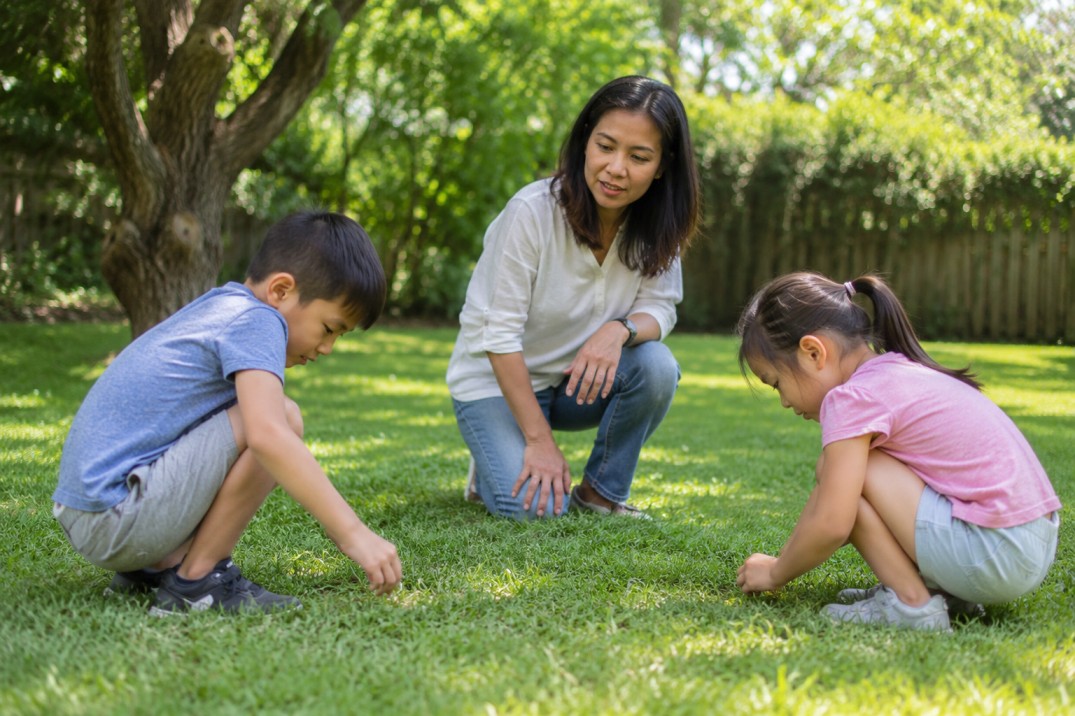
Parents are being encouraged to start child safety conversations earlier, as family advocates warn that many risks facing children do not come from strangers, but from familiar environments, trusted adults, older children and a lack of active supervision.
The message is being amplified by Your Child Safe, a child safety awareness resource created to help parents recognise warning signs, strengthen family communication and understand how everyday parenting choices can protect children from harm.
While many parents teach children to be careful around strangers, child safety experts have long warned that abuse, grooming and neglect often occur much closer to home. Children may be harmed by people they know, including relatives, family friends, older children or people in positions of trust. This makes open communication and age-appropriate education essential.
One of the key messages promoted by Your Child Safe is that children need to feel safe enough to speak up. Parents are urged to teach children that their bodies belong to them, that private areas are private, and that they should tell a trusted adult if someone makes them feel uncomfortable.
These conversations do not need to be frightening or graphic. They can begin with simple language. A child can be taught that some touches are caring and safe, while others are not acceptable. They should also understand that no one should ask them to keep secrets about touching, photos, private games or anything that makes them feel uneasy.
Advocates say delayed disclosure remains a major concern. Many children do not report abuse straight away because they feel confused, ashamed or afraid they will be blamed. That fear can be reduced when parents repeatedly reassure children that they will be believed, protected and never punished for telling the truth.
Supervision is another major issue. Being nearby is not always enough. Parents are encouraged to know where their children are, who they are with, what devices they are using and whether responsible adults are present. This applies to sleepovers, playdates, sports activities, online games and social media.
The same awareness is needed inside the home. Your Child Safe urges parents to “look inward” and consider whether adult issues, including substance abuse, constant conflict, emotional instability or harsh discipline, may be affecting a child’s sense of safety. A home should be a child’s safest place, not a source of fear.
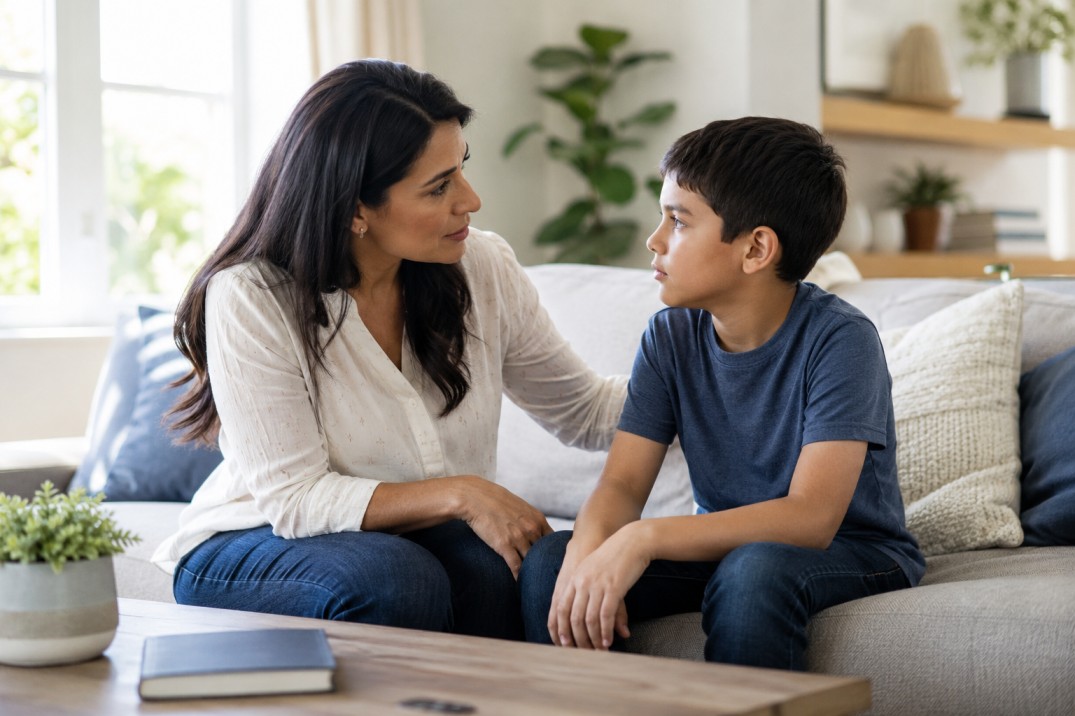
Discipline is also part of the conversation. Parents are encouraged to set clear expectations and fair consequences, while avoiding physical punishment, humiliation or threats. Supporters of this approach argue that discipline should teach children, not make them afraid of the adults they rely on.
The wider message is simple but urgent. Protecting children is not only about reacting after something has happened. It is about building daily habits that make children safer before problems appear.
Parents who listen carefully, supervise actively, teach body safety early and create a stable home environment are better placed to notice when something is wrong.
For families looking for practical guidance, yourchildsafe.com offers parent-focused information on child safety, discipline, supervision and difficult conversations that many adults avoid until it is too late.